Mexico City 2025
© 2025 UrbanSettlements
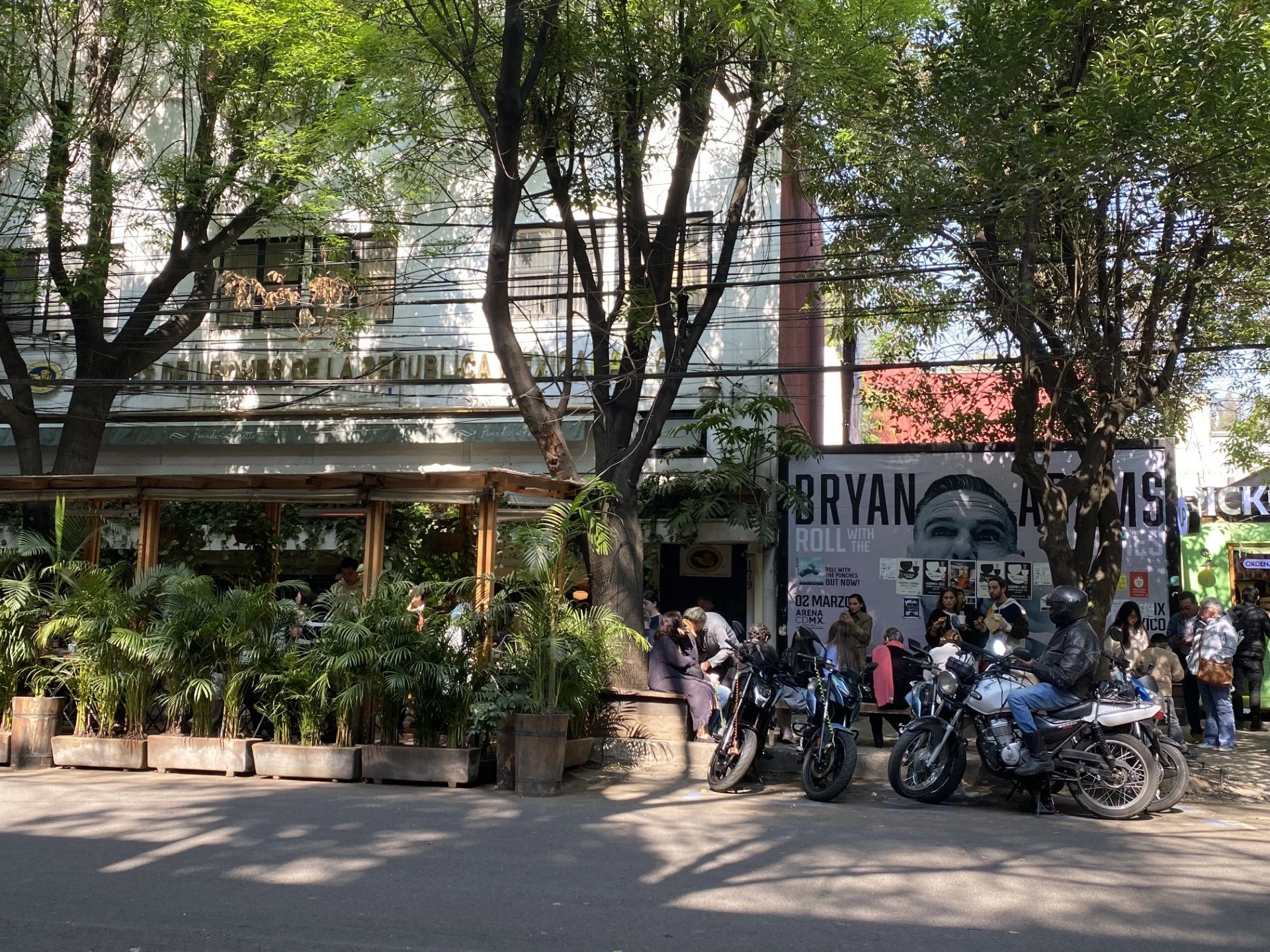
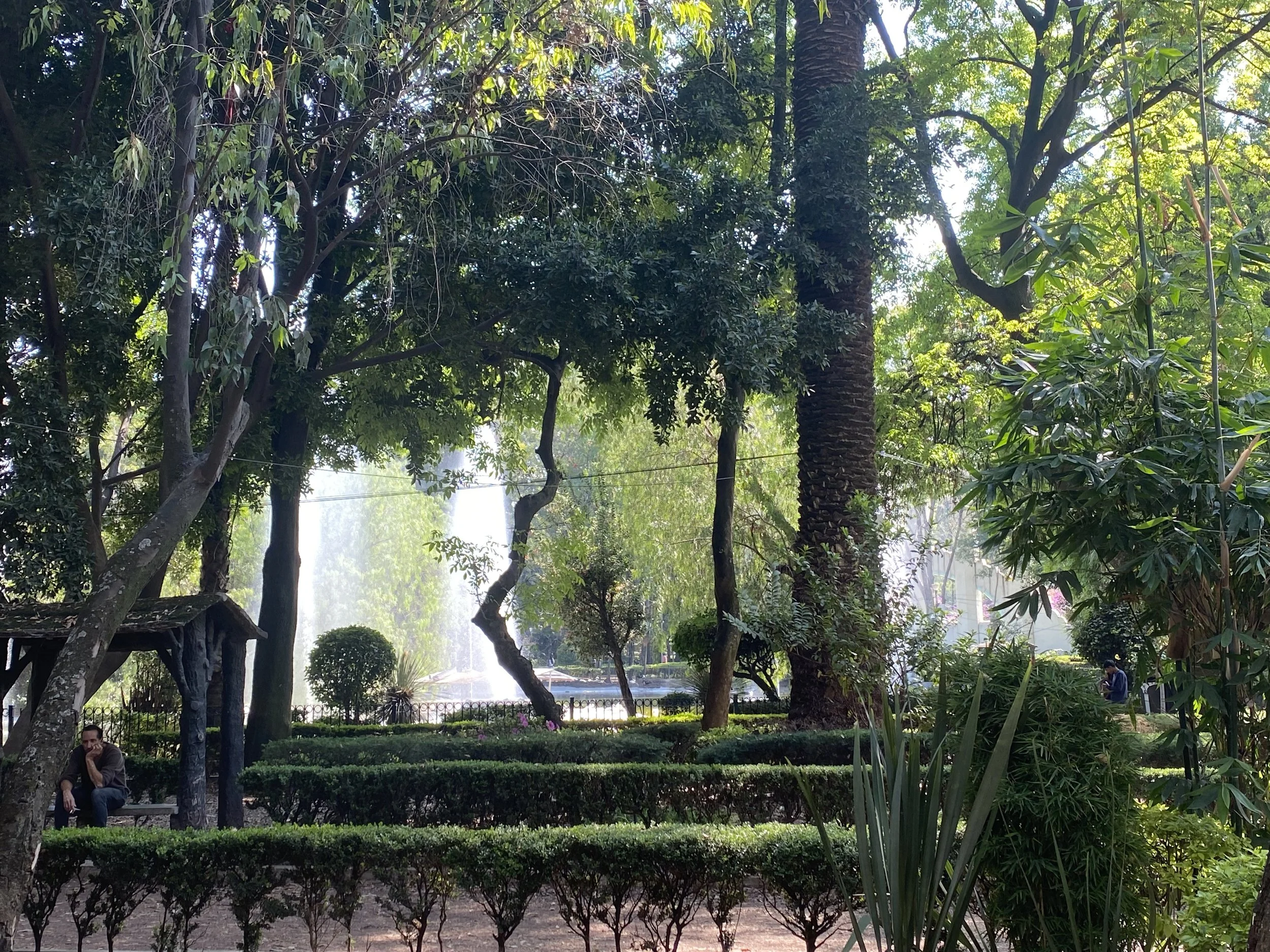
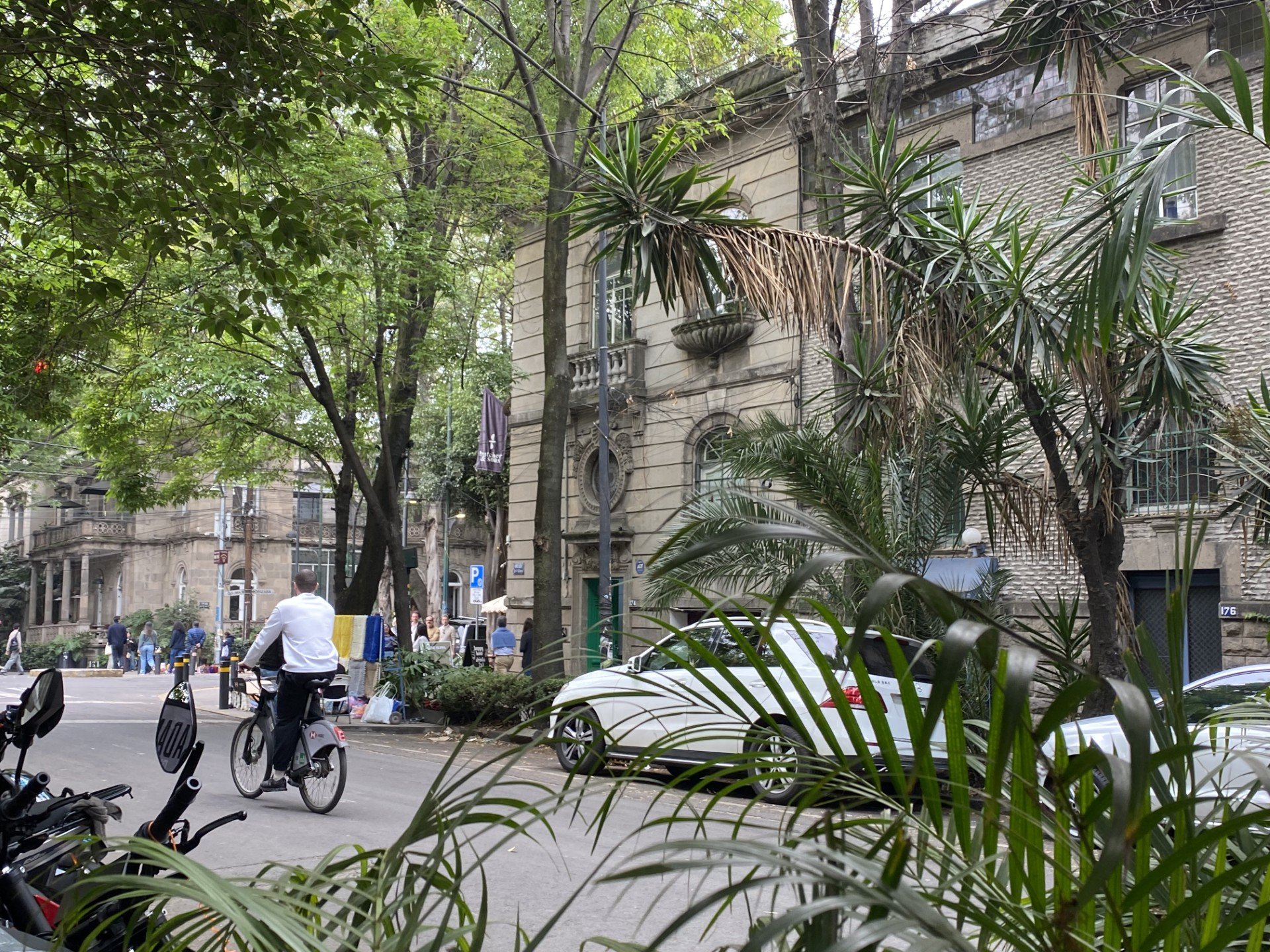
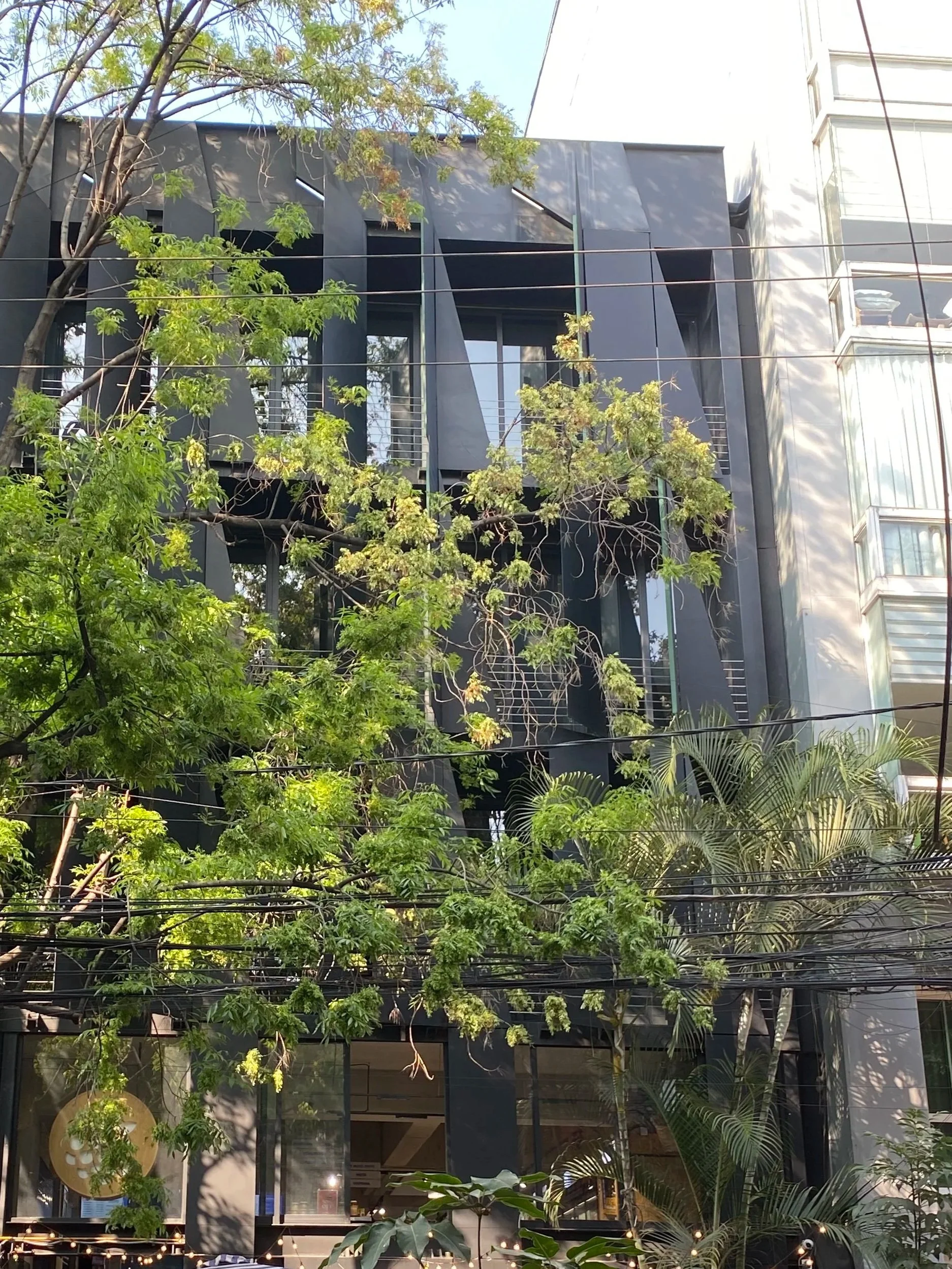
We finally made it to Mexico City, at over 24 million people the largest city in North America! We stayed in the Roma Norte and Condesa neighborhoods on the West side of town and were absolutely delighted by their urbane qualities. Both neighborhoods have walkable streets, thriving small businesses, and extensive urban tree canopy. Architecture within the blocks was also really wonderful to take in, a lively mix from Moorish/Mediterranean, Italianate, Streamline Moderne and of course Contemporary.
Condessa
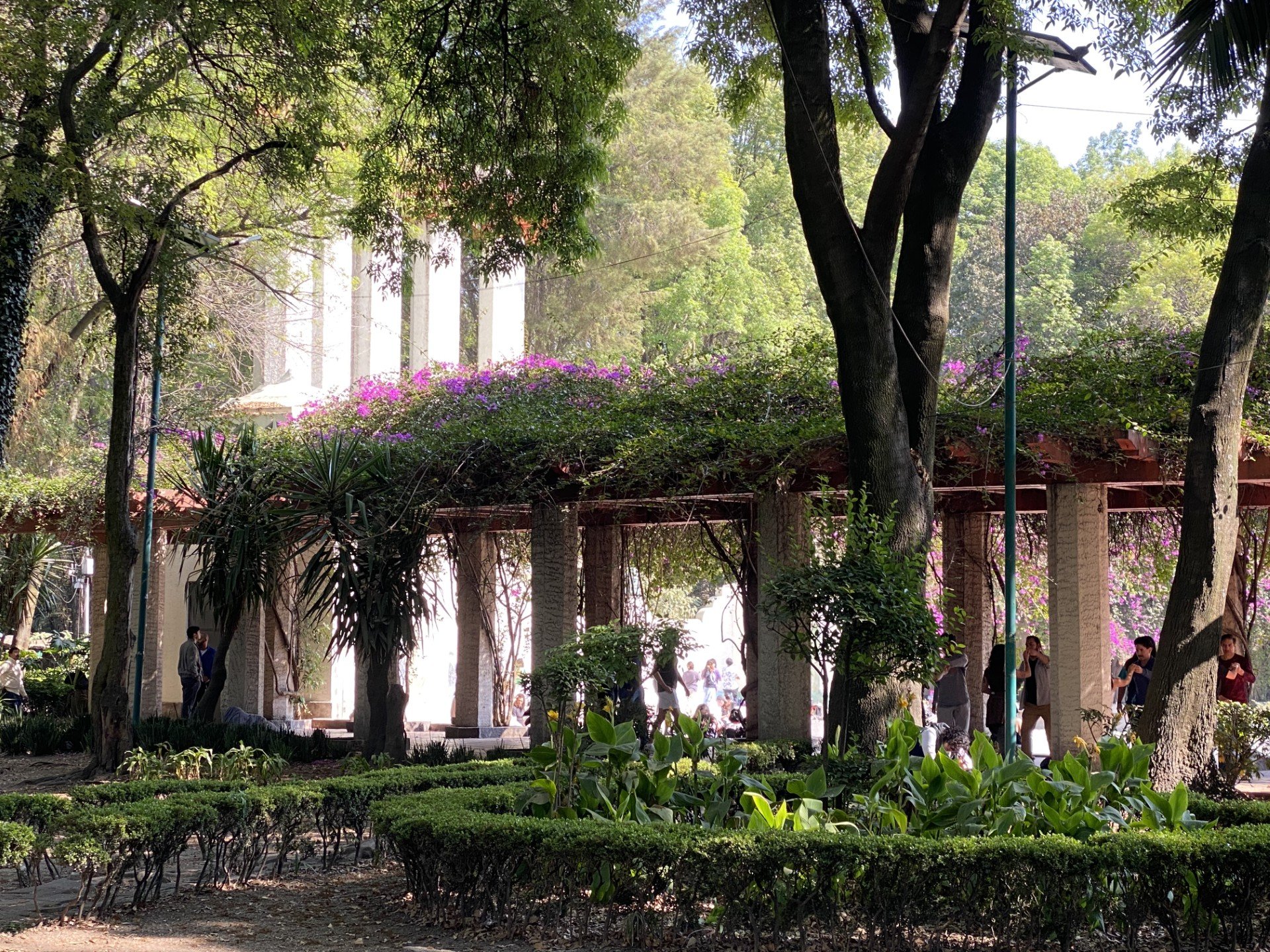
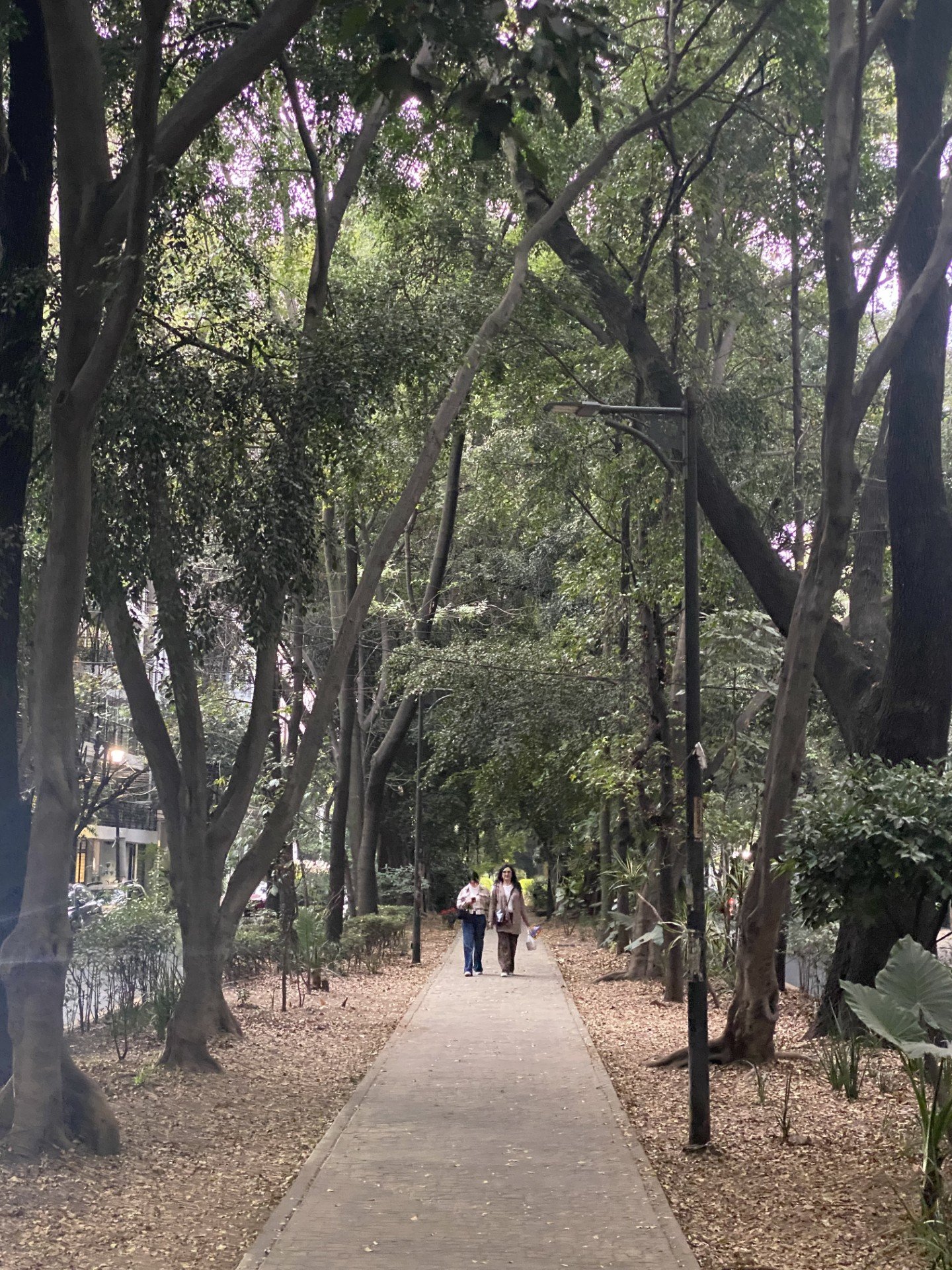
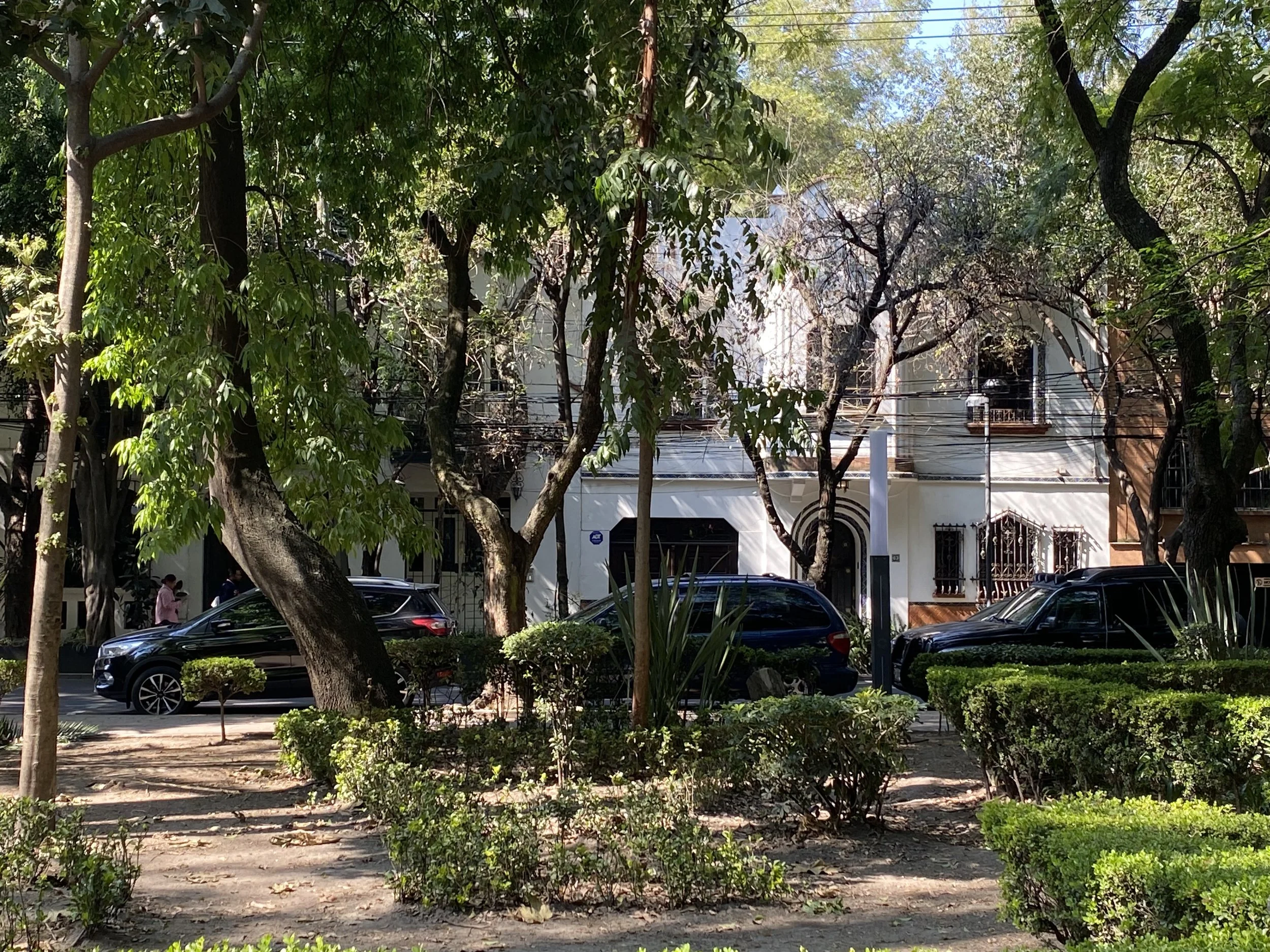
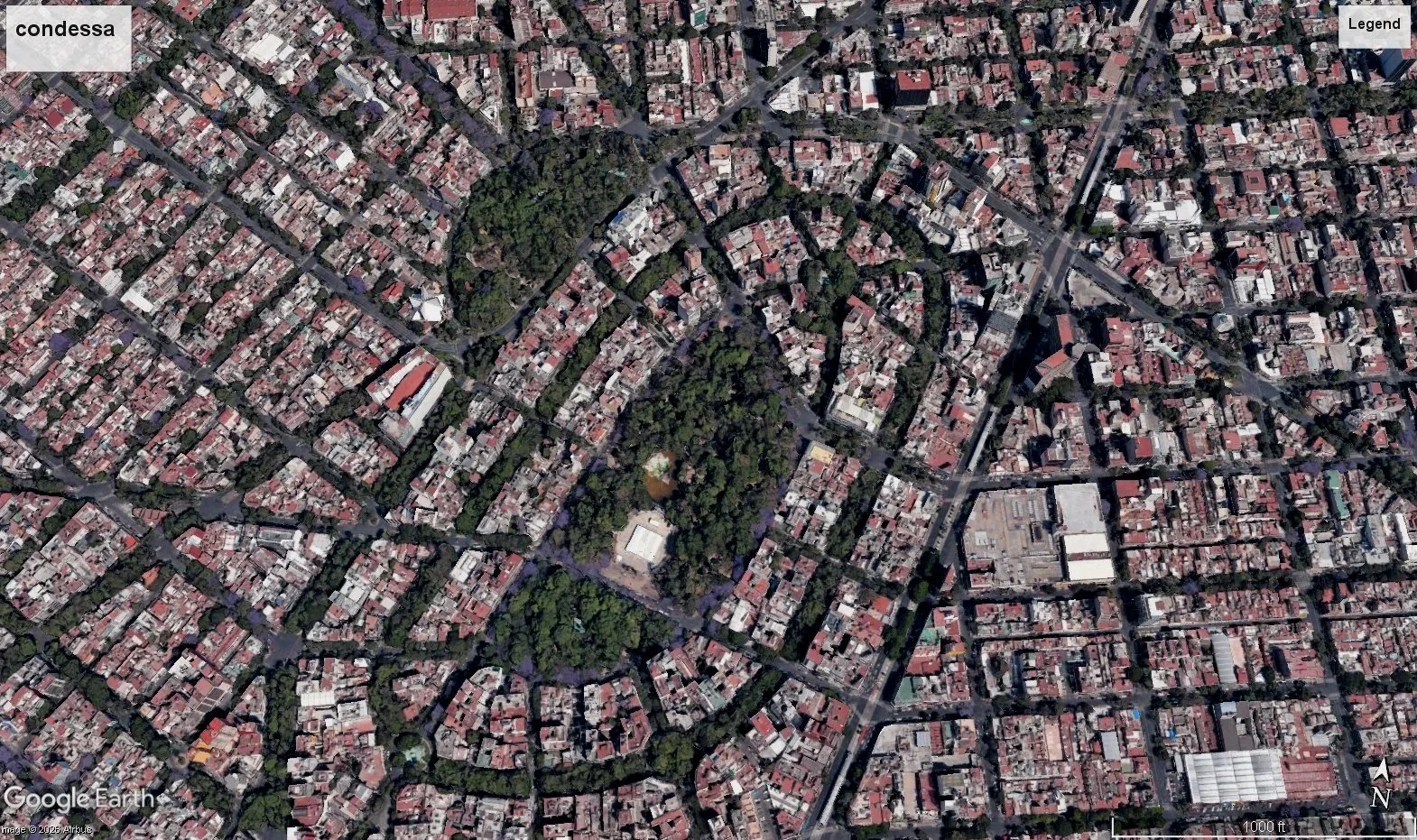
Condesa ("Countess") is a planned community based on the existing geometry of the horseracing track ("Hipodromo") that was once here (owned by a countess). The streets offset and radiate from a central park that was once the infield of the track. This creates an abundance of corners and intersections that punctuate the neighborhood, while also creating strong linear connections. Extensive tree canopy and planting build off this and create a wonderful layering effect. The district is less than 100 years old yet feels like centuries have past given its refinement and sophistication.
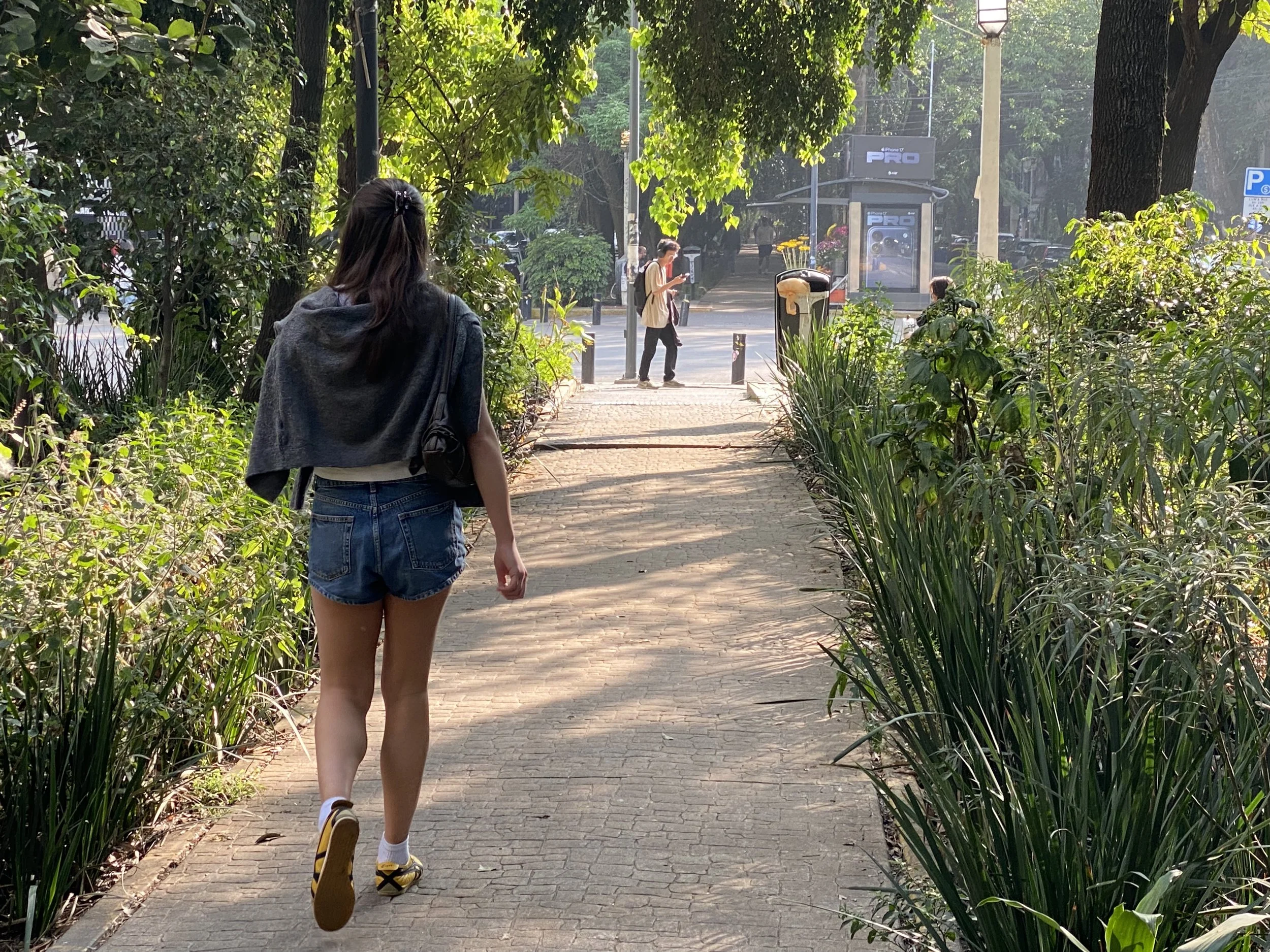
The perimeter streets feature medians that are heavily planted and have a central walking path dividing a couplet, really a great way to circulate around the neighborhood.
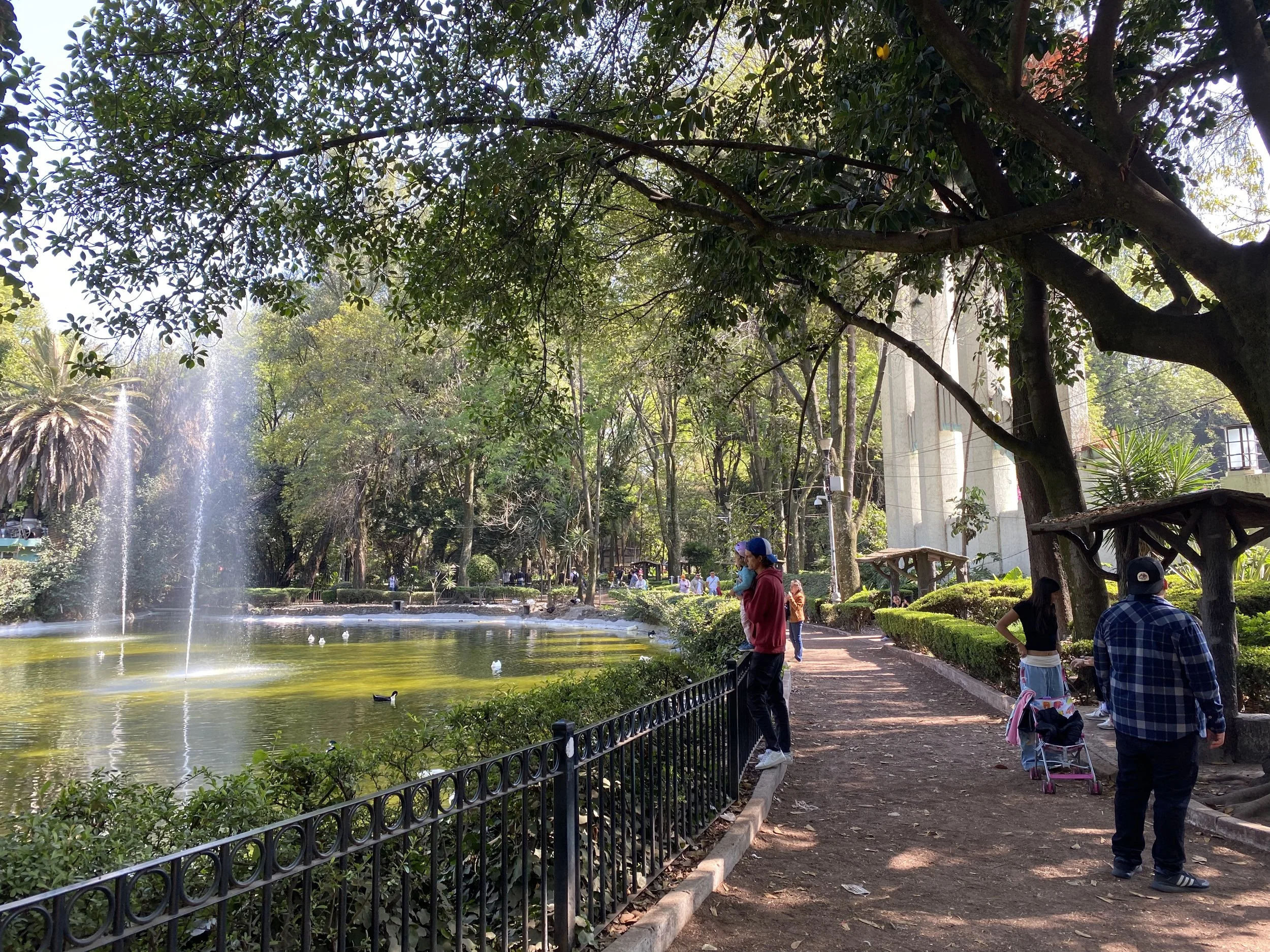
The park, “Parque Mexico”, is well used and riffs on the streamline moderne themes of the neighborhood. Deeply planted zones create shade, and an amphitheater and water feature create effective flexible programming. I spent hours here just wandering around watching light filter through the trees. And given the heavy usage of the park, the people watching is great.
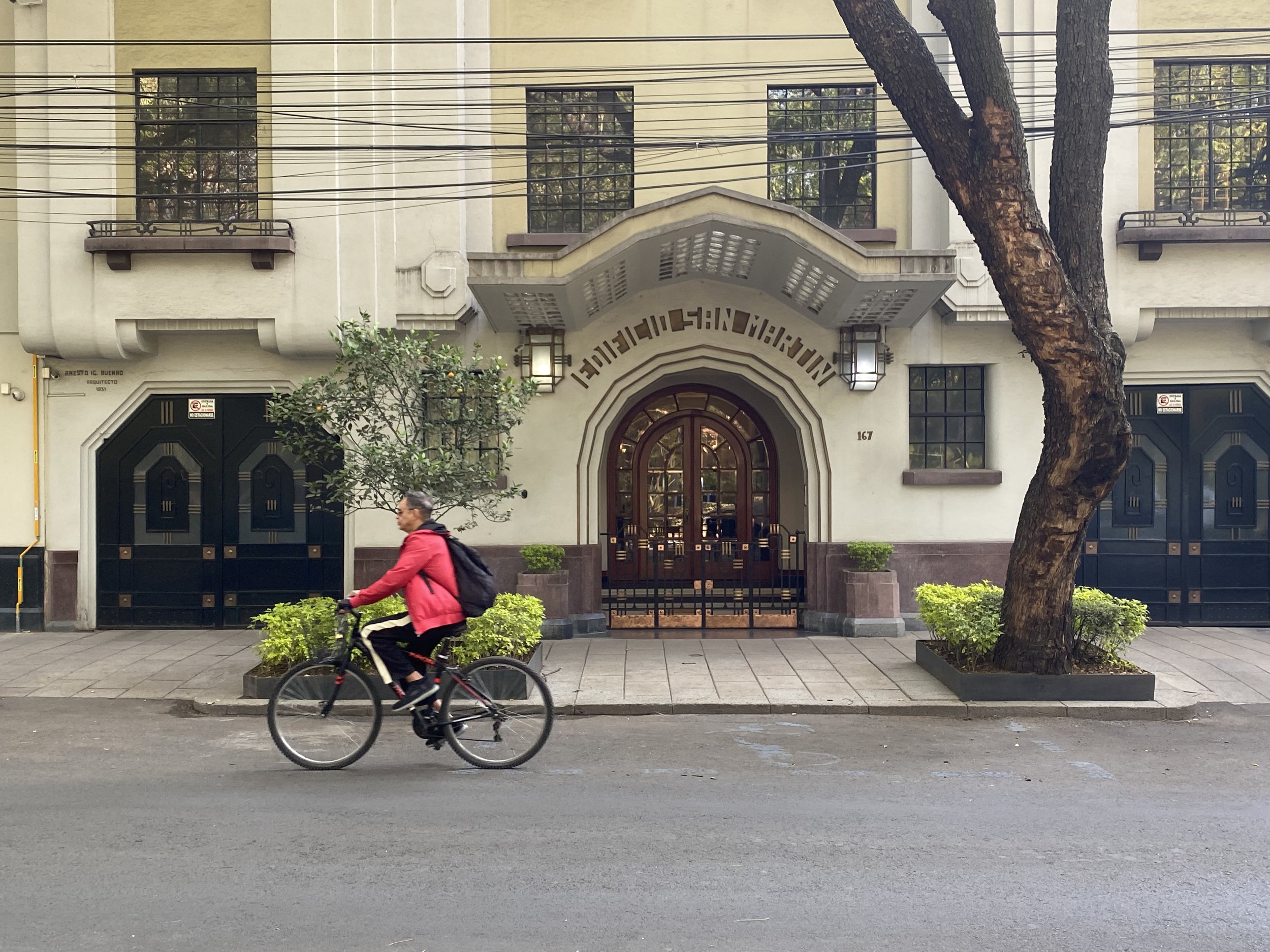
Architecture
The Hipodromo has a variety of architectural styles but the default mode is streamline moderne, as the neighborhood was built in the 1930’s. This style can tilt many different directions from Mediterranean/Moorish motiffs to more contemporary language.
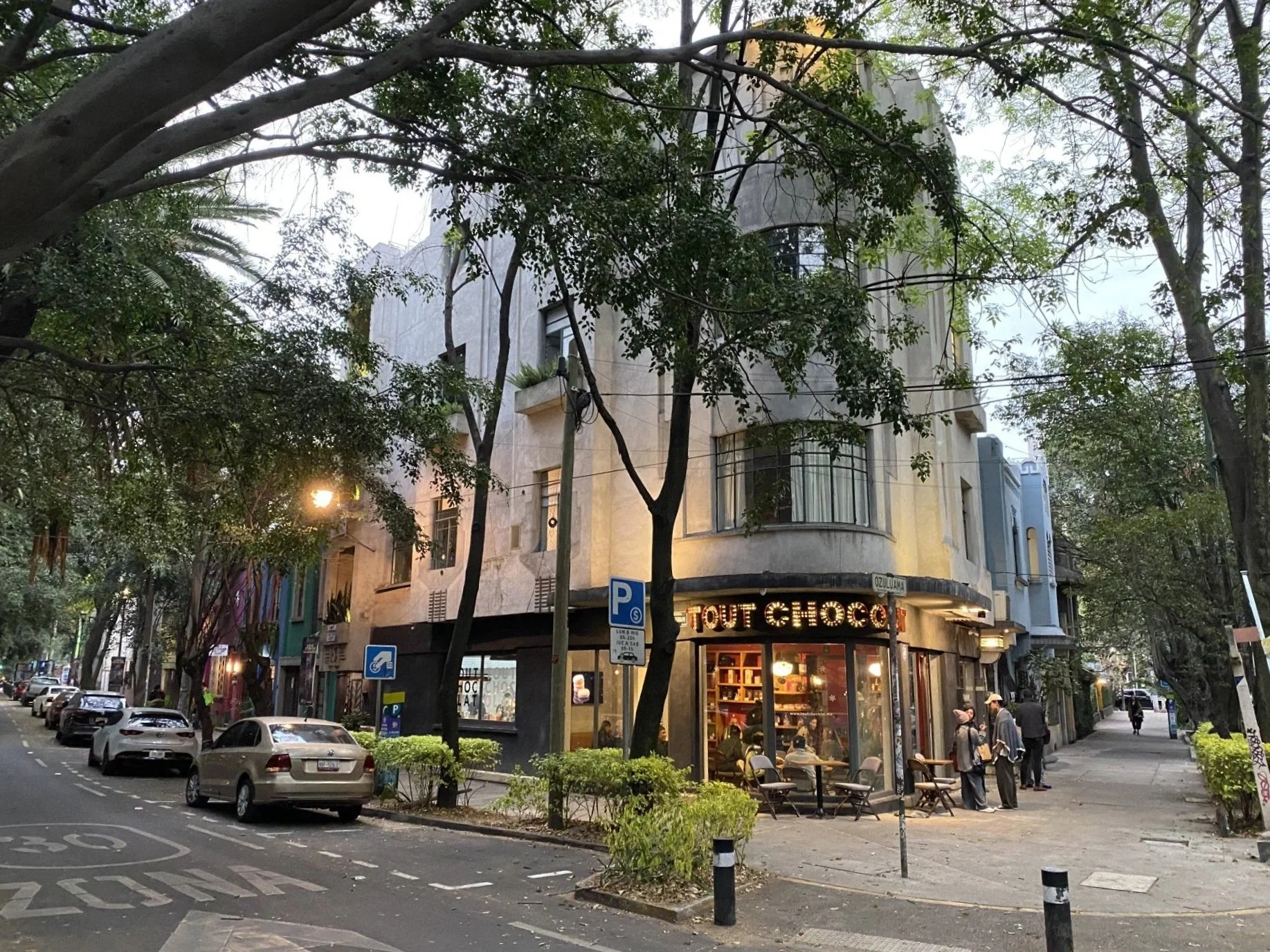
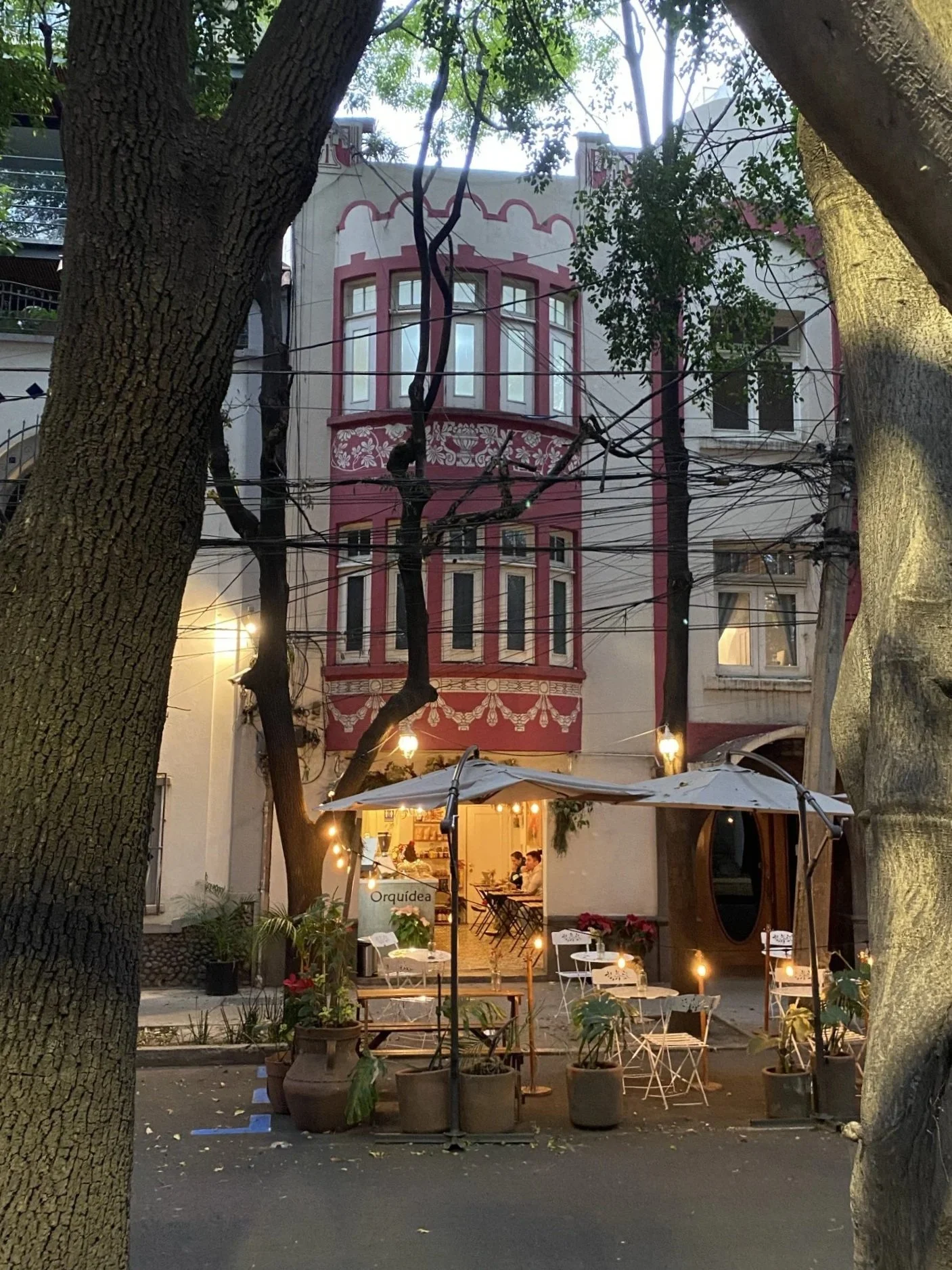
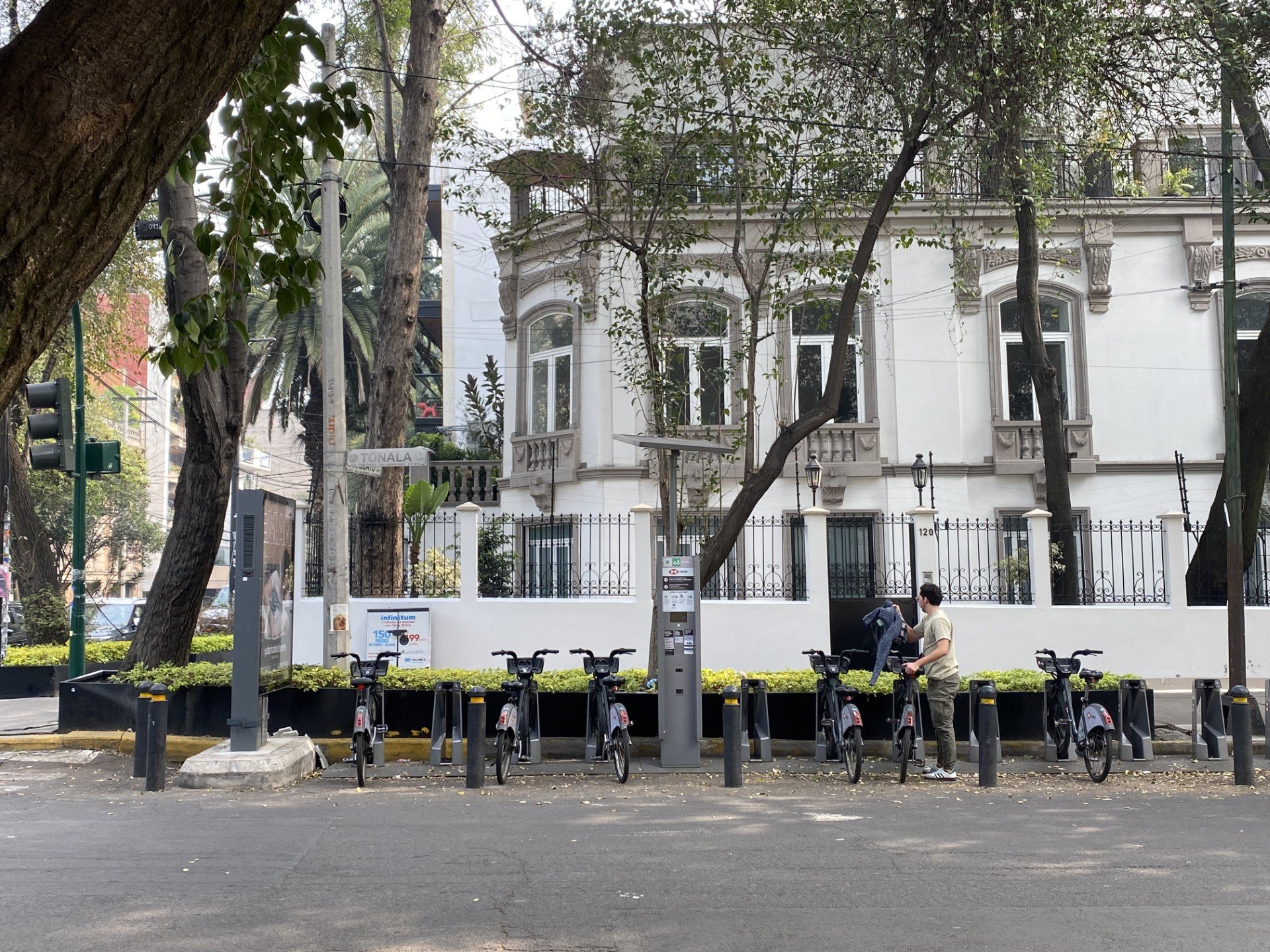
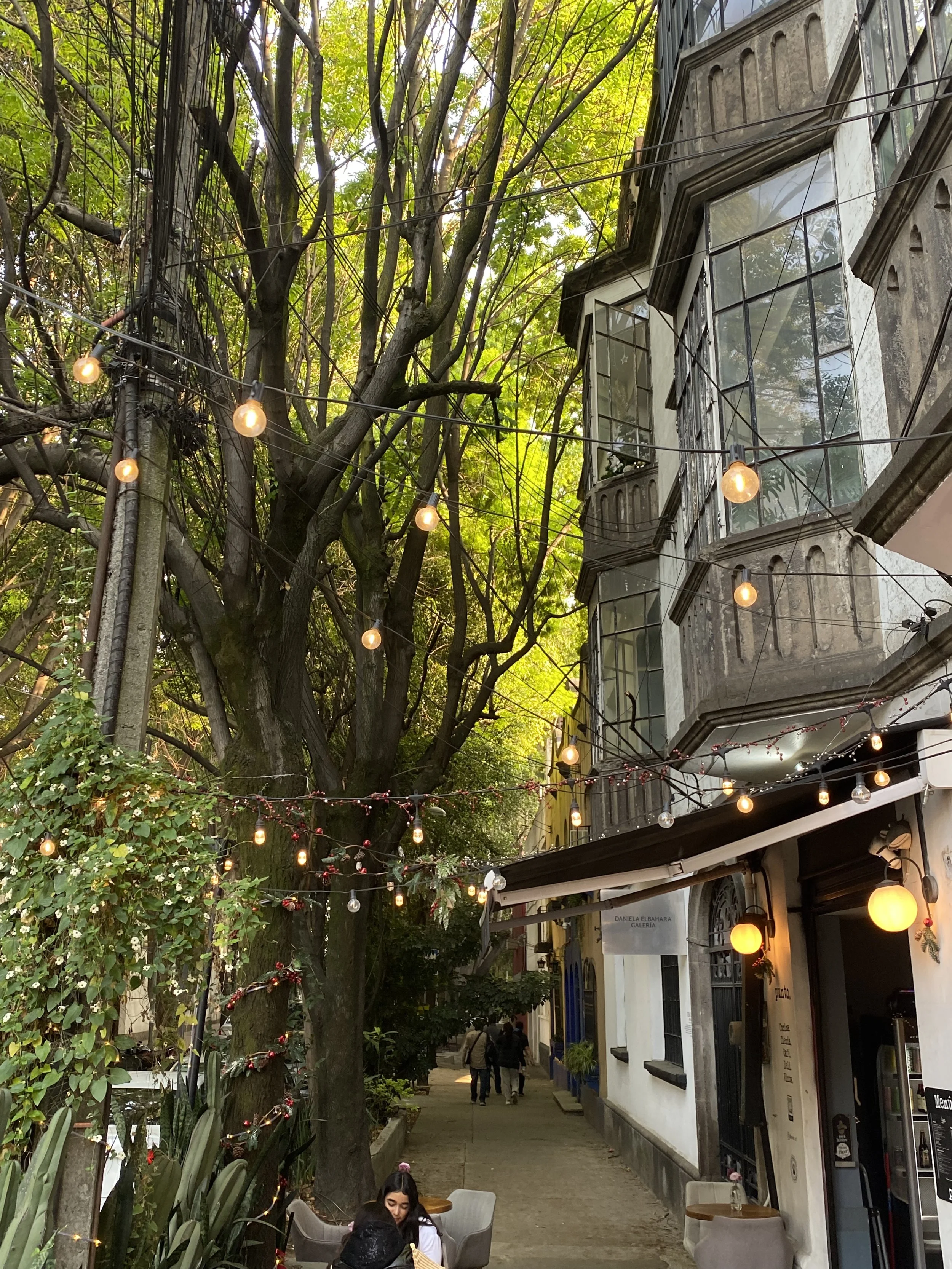
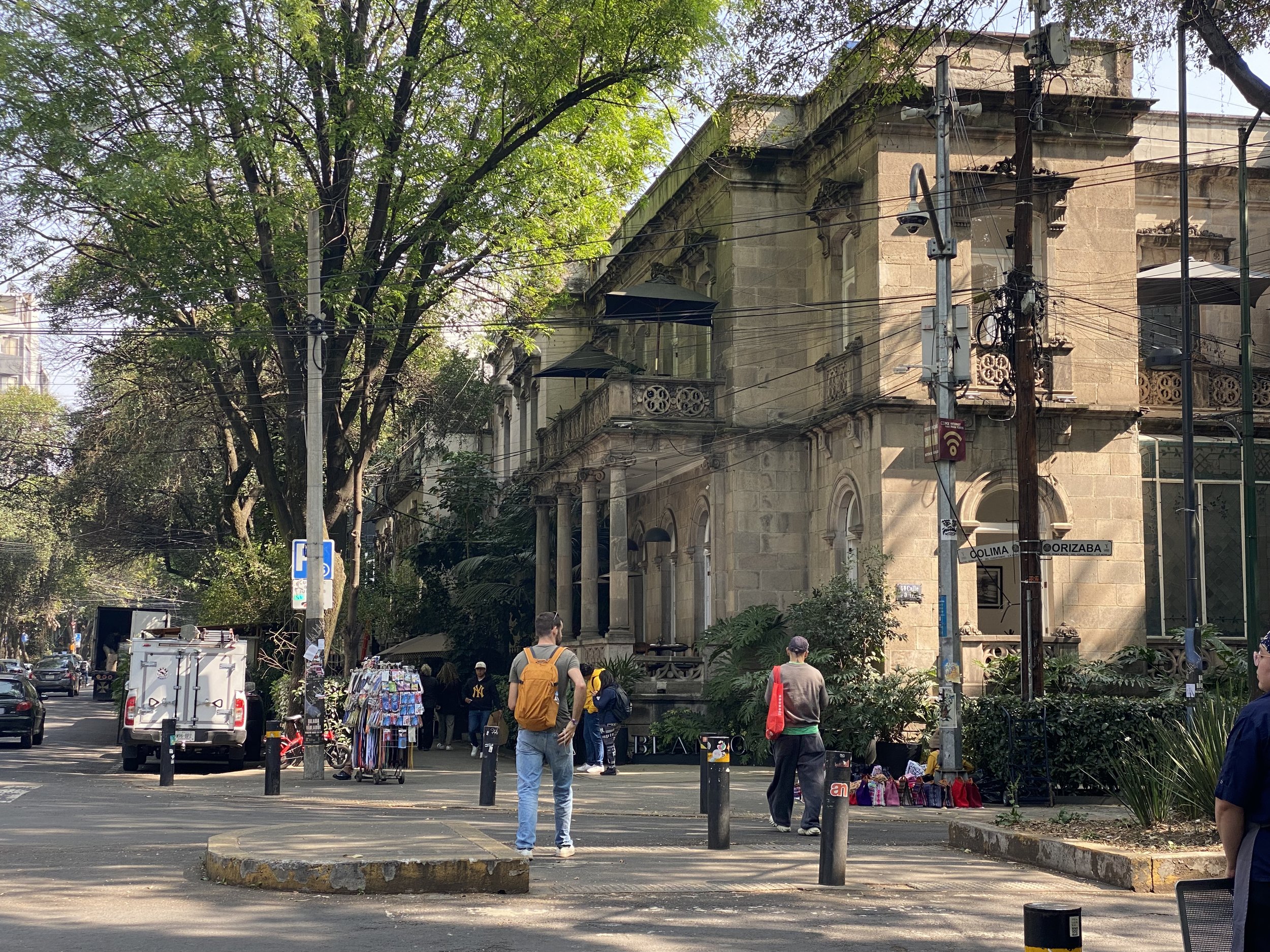
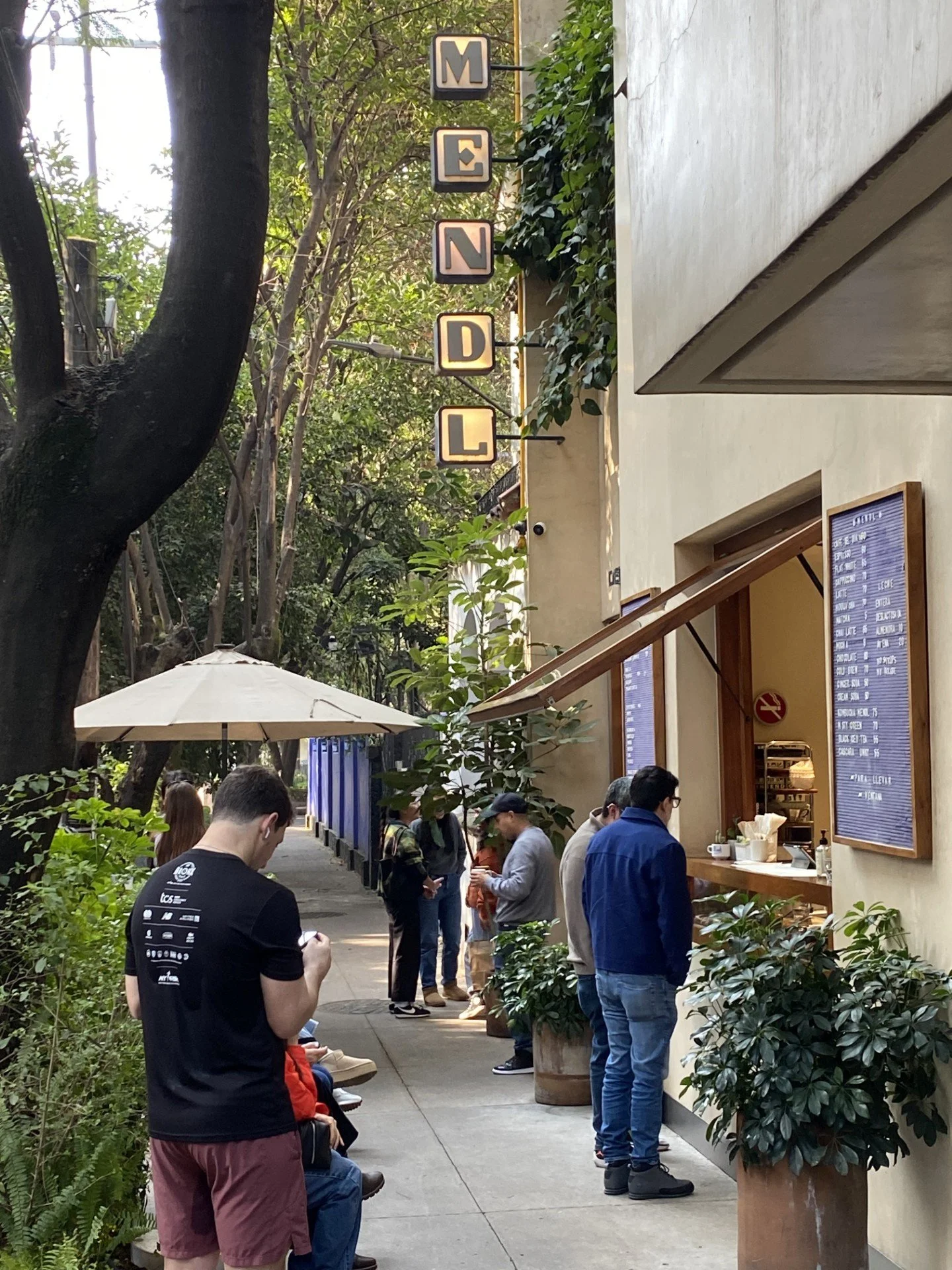
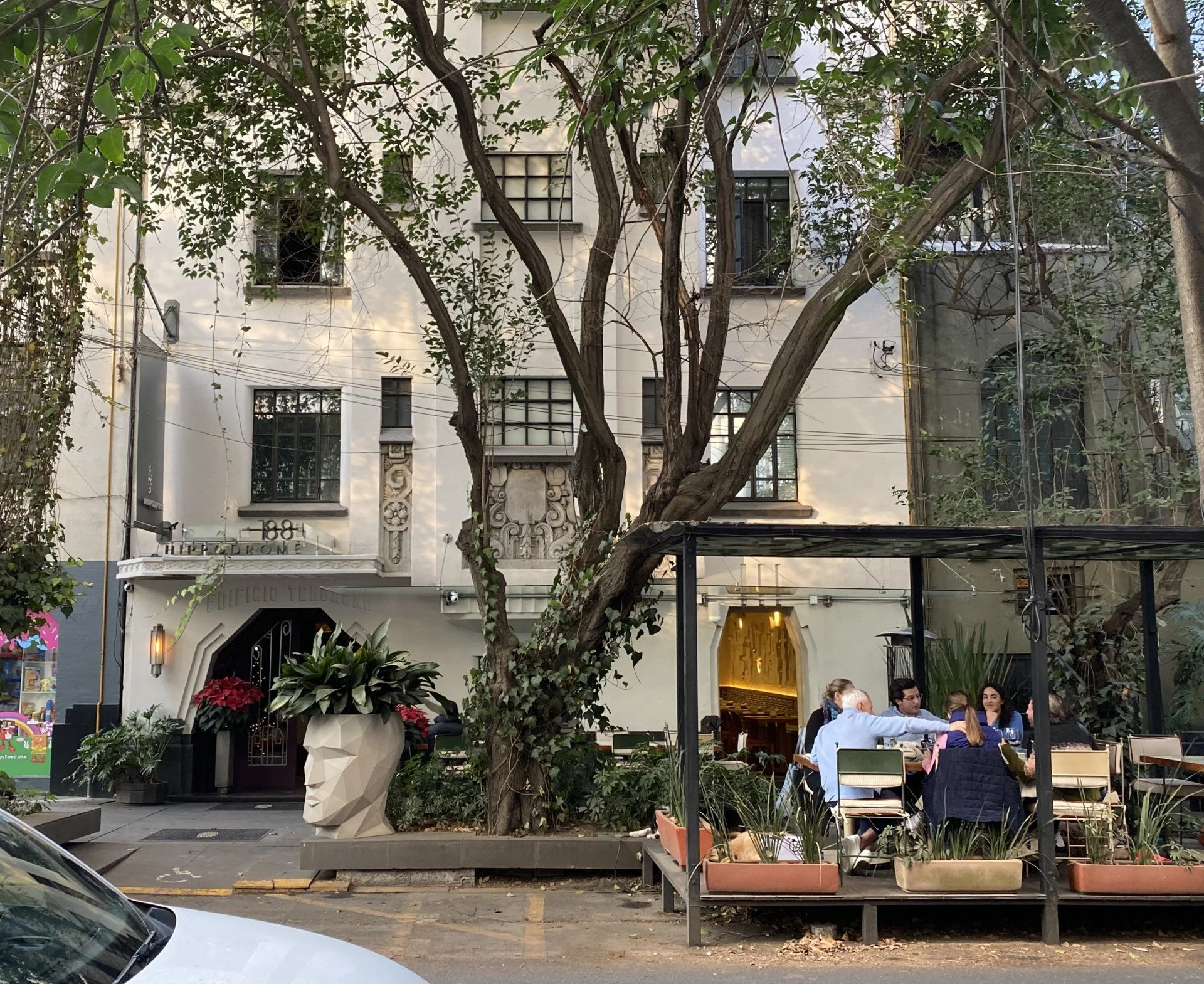
Not enough can be said about the small businesses that populate both neighborhoods. Great restaurants at all price points, small interesting retail and most heartening, a lot of small bookstores! Of course all this comes with the issues of gentrification/displacement and AIRBNB leads the way as the main culprit. The local consensus is that the neighborhood is transitioning to something very un-Mexican.
That aside, a wonderful visit and I can't imagine a more urbane and sophisticated experience can be had anywhere else in North America. And at over 7,200’ in elevation, the climate is moderate during the day and cool at night year round.
Materiality
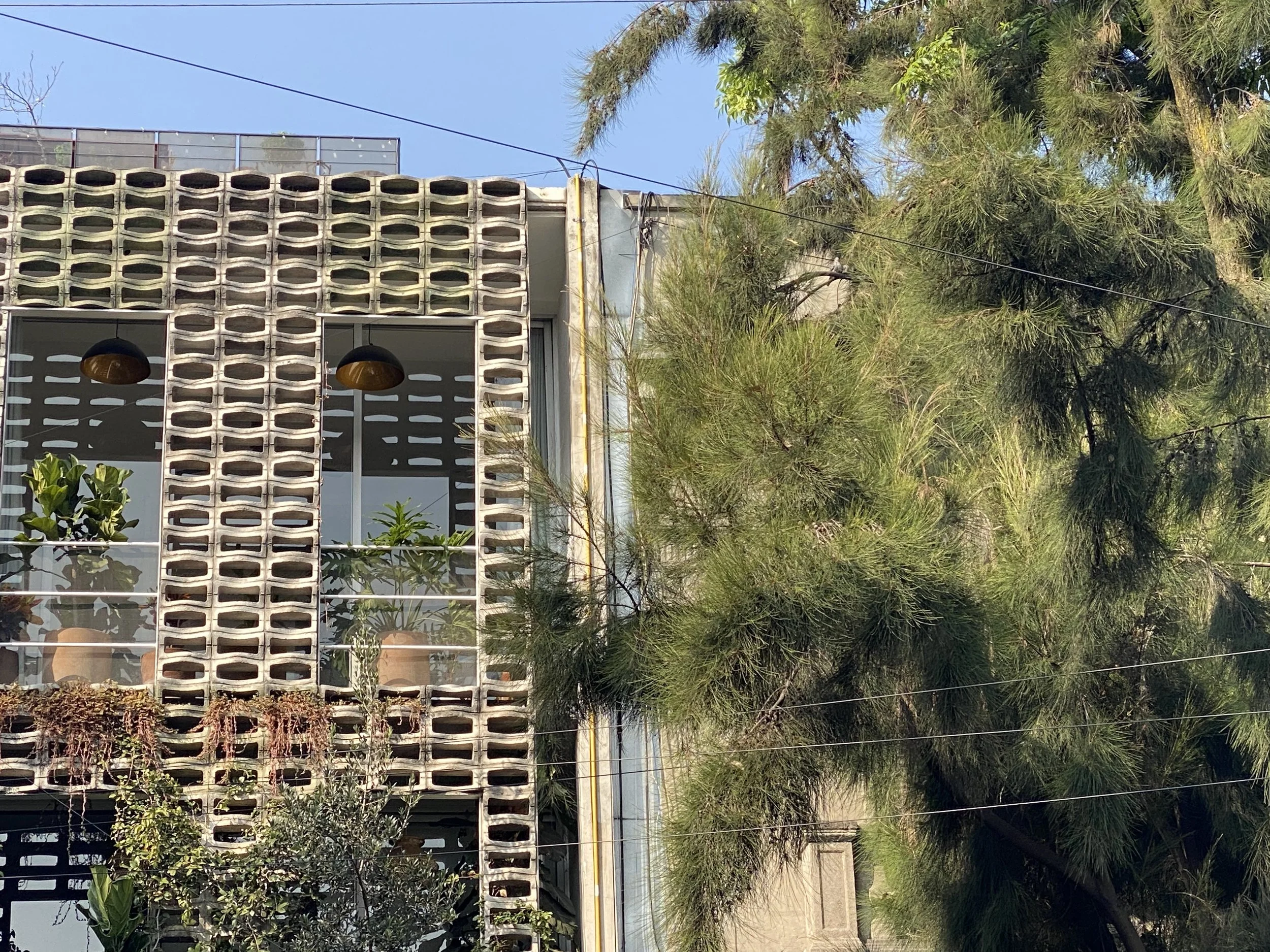
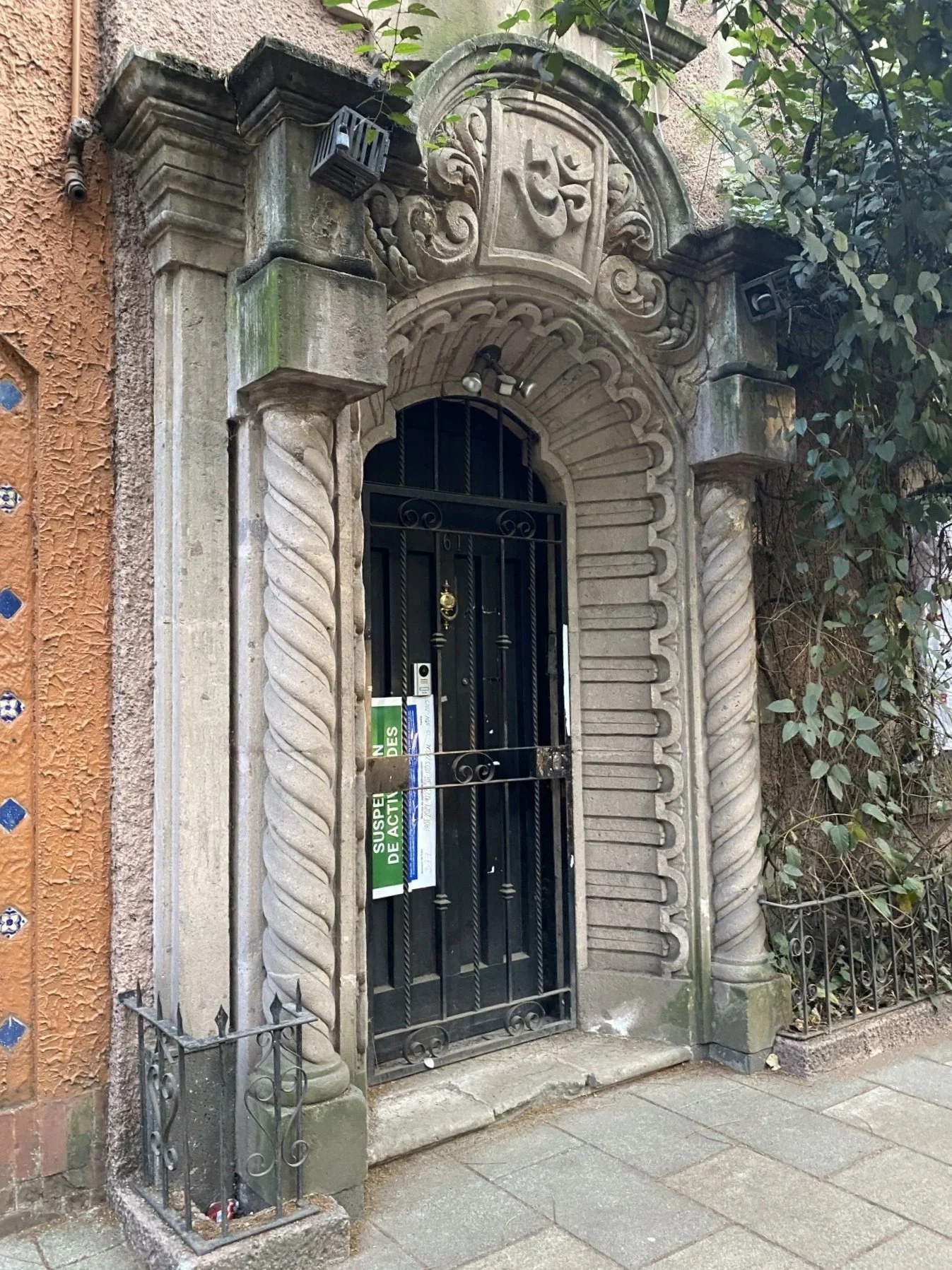
Traditional Spanish Colonial buildings in CDMX were made with basalt, with the intention they would be covered in plaster and stucco. That last step was often left out, so these building fronts have a rustic, volcanic quality to them.
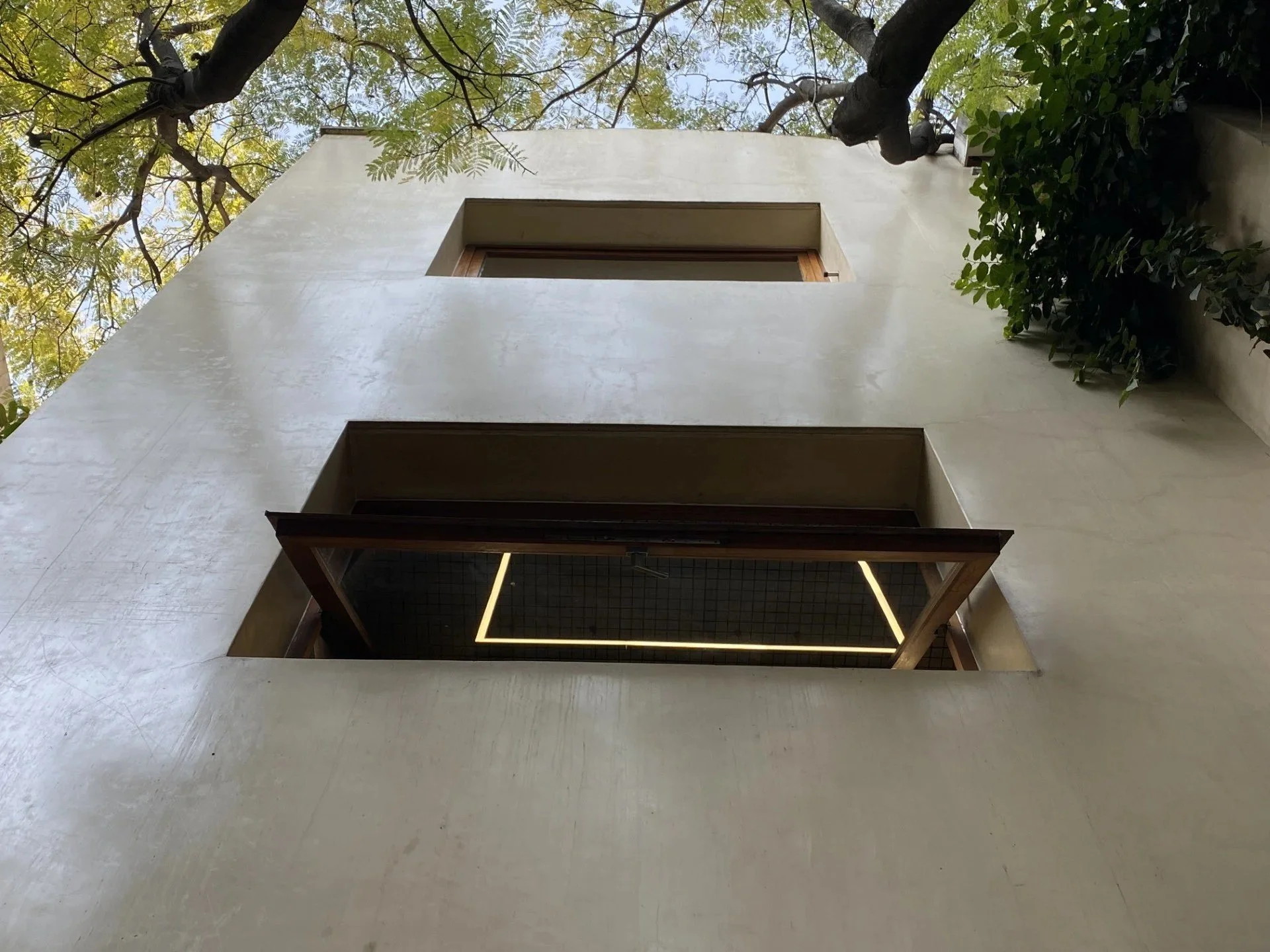
Most newer construction features really sharp build quality, regardless of building systems used. Steel, concrete and masonry are all dealt with in a competent and tectonic manner.